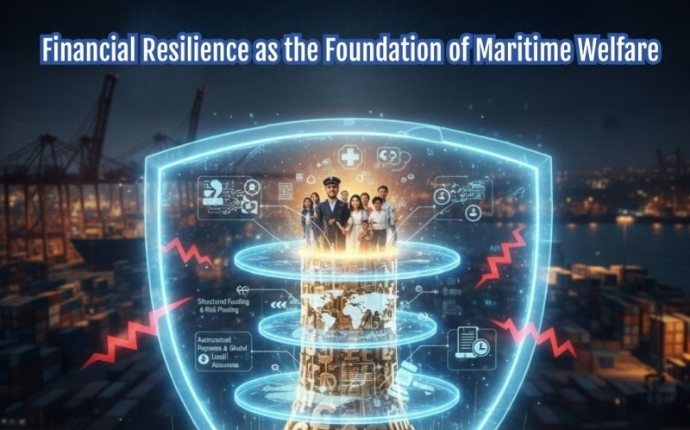
Financial Resilience as the Foundation of Maritime Welfare
Maritime activity has always required a particular kind of courage. Not the dramatic courage often associated with facing the sea’s physical power…


Maritime activity has always required a particular kind of courage. Not the dramatic courage often associated with facing the sea’s physical power…
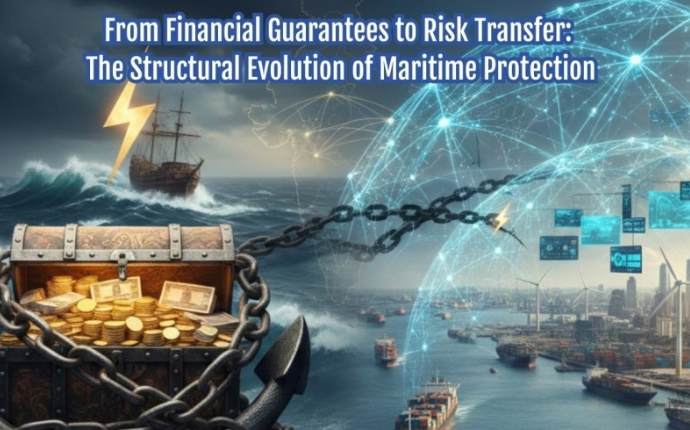
Every institutional system develops instruments that reflect the conditions under which it was originally formed. These instruments are rarely accidental.
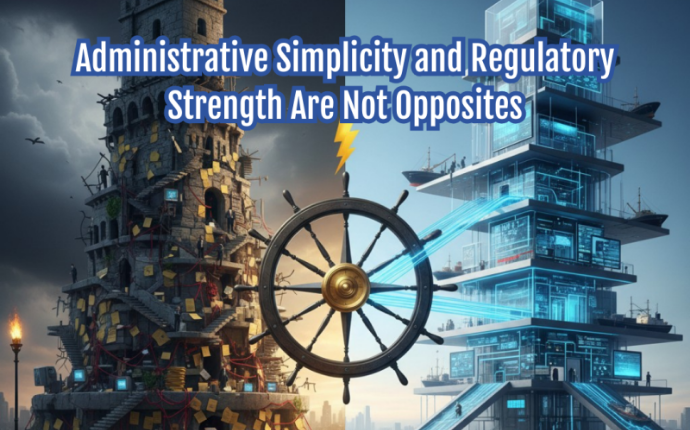
In discussions about governance, simplicity is often misunderstood. It is sometimes perceived as reduction, relaxation or even compromise.

Competitiveness in maritime activity is often described through visible indicators. Fleet size, port capacity, cargo throughput, global market access and technological capability..
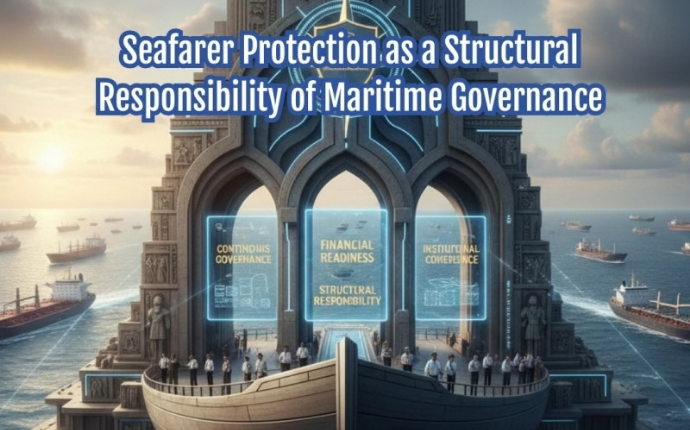
Maritime governance has always been shaped by the realities of distance. Ships operate far from the institutions that regulate them.

Financial stability is often associated with solidity. Institutions demonstrate strength through reserves, guarantees and commitments that signal their capacity…
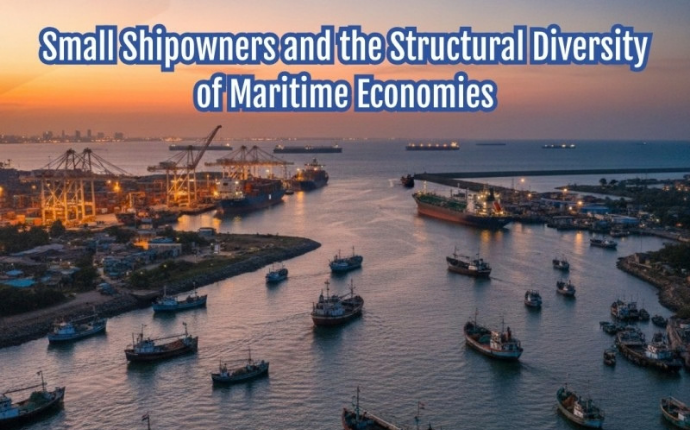
Maritime economies rarely grow through scale alone. While large fleets, major operators and global trade routes..
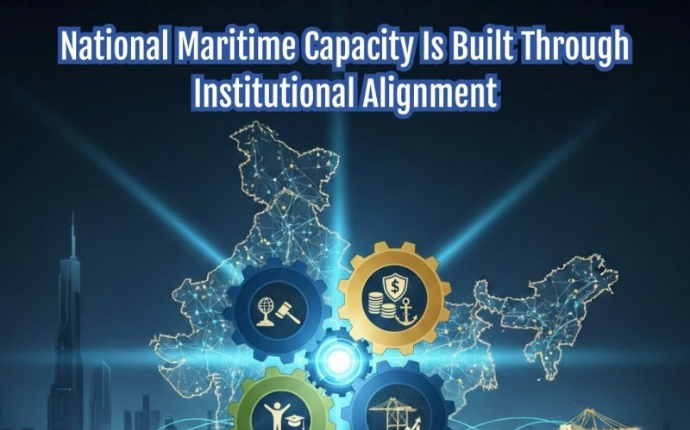
Maritime strength is often described through visible markers. Fleet expansion, port infrastructure, cargo throughput, workforce scale
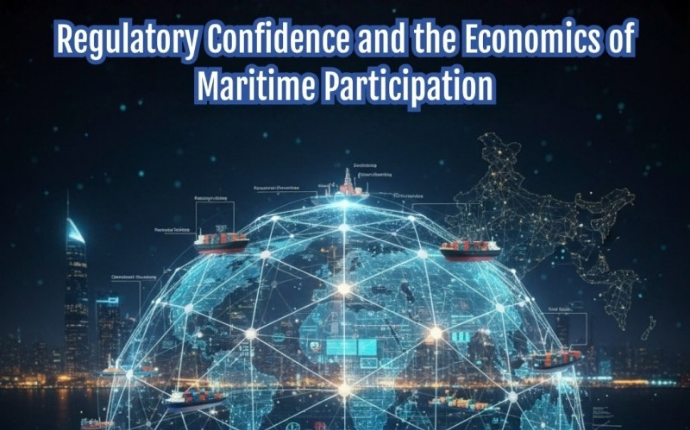
Every functioning maritime system rests on a foundation that is rarely measured directly yet constantly experienced by those who operate within it.
Maritime activity has always been defined by connection. Ships move between ports, cargo flows across continents, labour operates across jurisdictions..