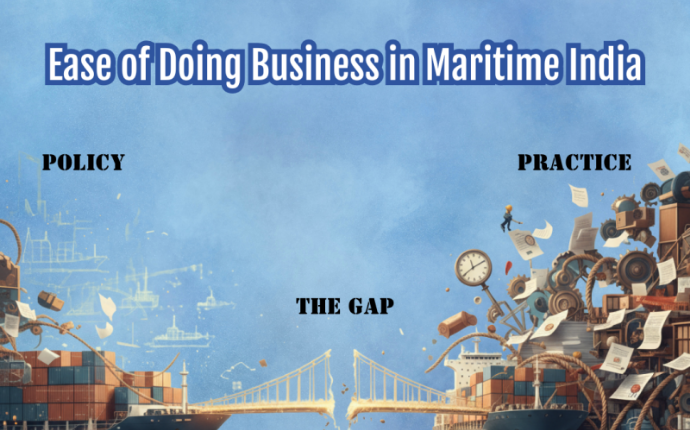
Ease of Doing Business in Maritime India: The Gap Between Policy and Practice
Every expanding economic sector carries within it a dual narrative. One unfolds in the realm of policy, where vision is articulated…


Every expanding economic sector carries within it a dual narrative. One unfolds in the realm of policy, where vision is articulated…
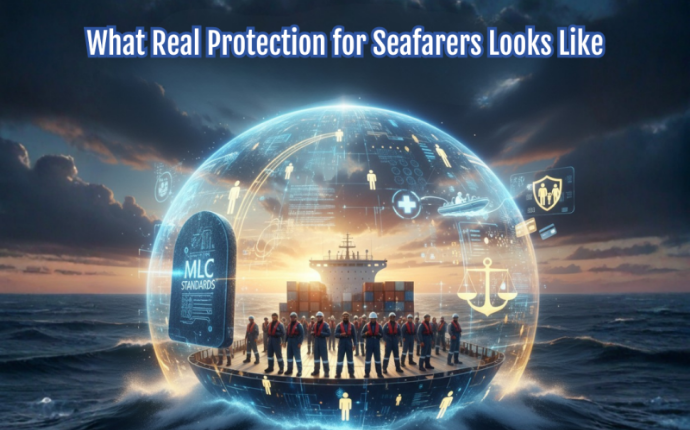
Maritime labour has always occupied a distinctive place within the global economy. It is a profession defined not only by technical skill and discipline, but by distance, exposure and endurance.
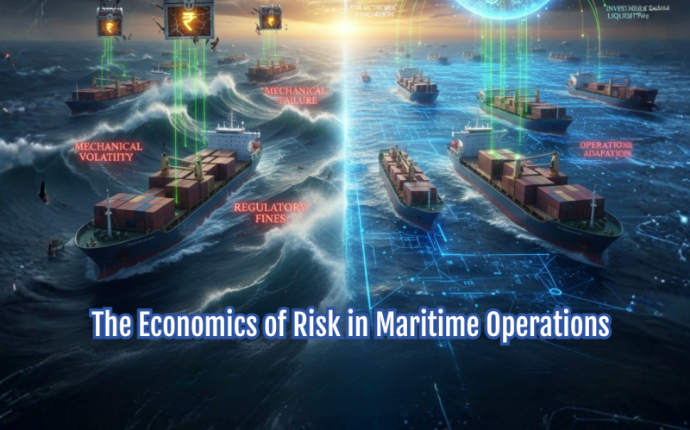
Every maritime voyage carries within it a balance that is rarely visible from shore. On the surface, shipping appears as movement—cargo transported, routes navigated, schedules maintained.
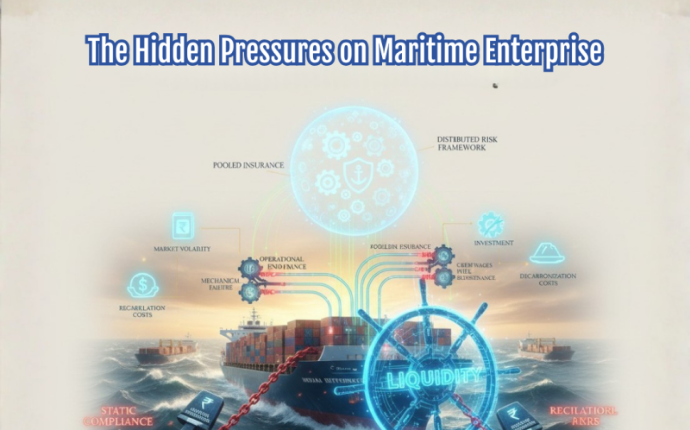
Maritime enterprise is often understood through its visible expressions. Vessels move across trade routes, cargo flows through ports…
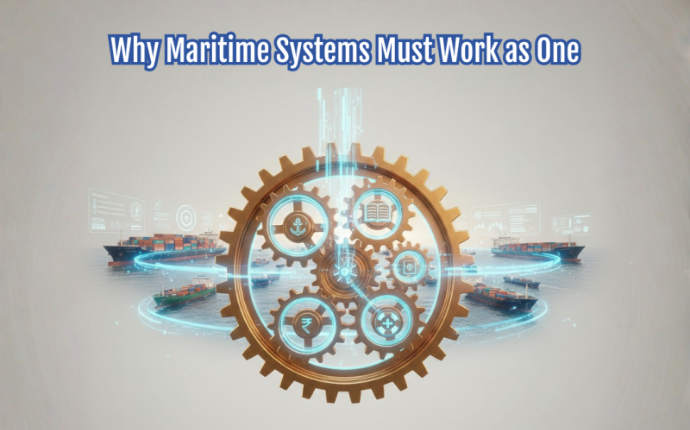
Maritime activity has always been defined by movement across boundaries. Ships travel between ports that belong to different jurisdictions.
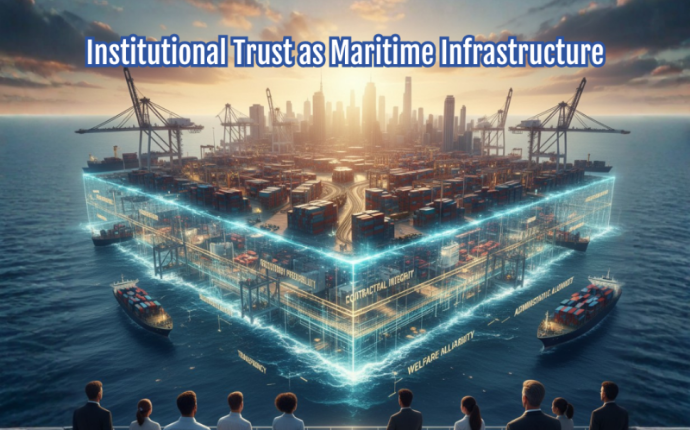
Infrastructure is often understood in physical terms. Ports, terminals, vessels, logistics corridors and communication networks form the visible architecture through which maritime trade moves.
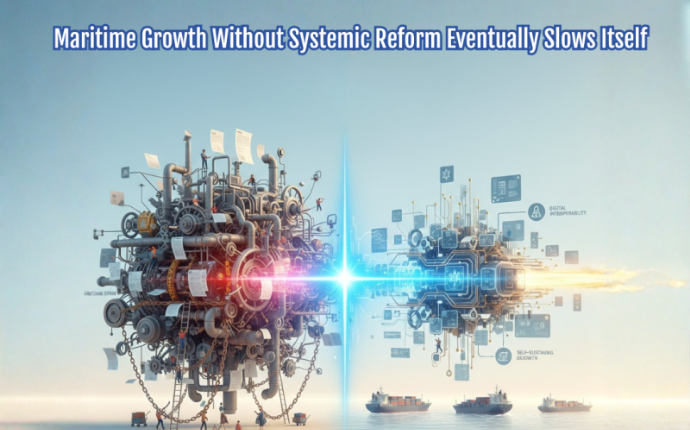
Growth is often understood as an unmistakable sign of vitality. When a sector expands in scale, reach and influence, it signals capability, demand and forward movement.
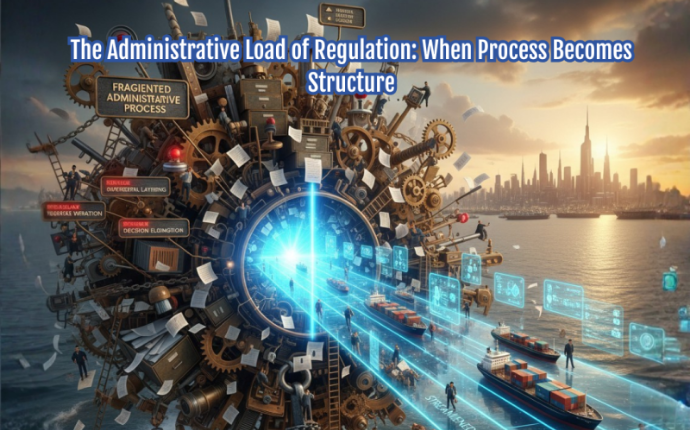
Regulation, in its most fundamental purpose, exists to create order within complexity. It defines standards, assigns responsibility and establishes pathways…
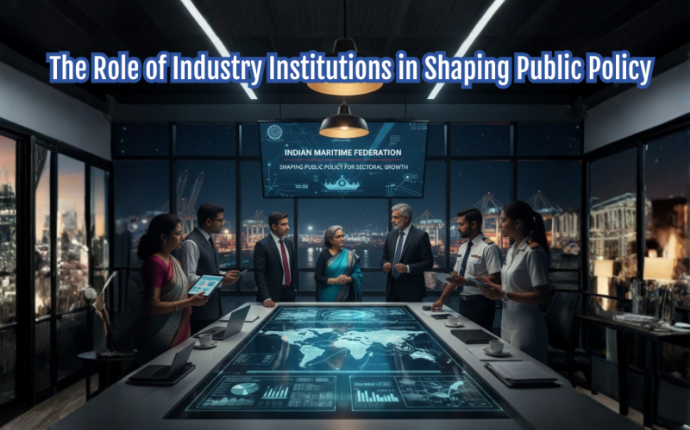
Public policy rarely emerges in isolation. It is formed within an environment shaped by information, experience and institutional dialogue.
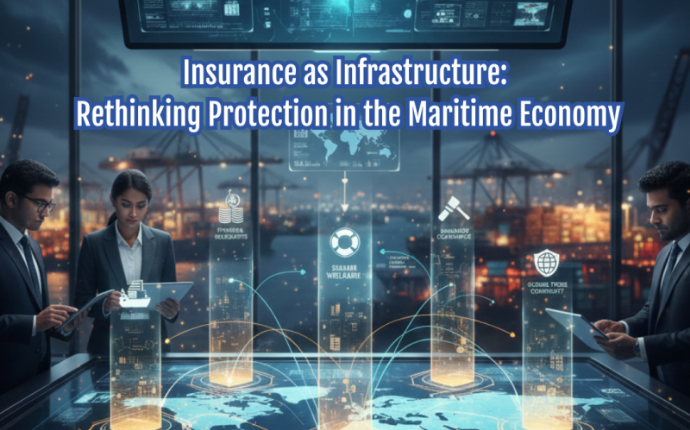
In most sectors of economic activity, insurance is understood as a financial instrument that responds to uncertainty.